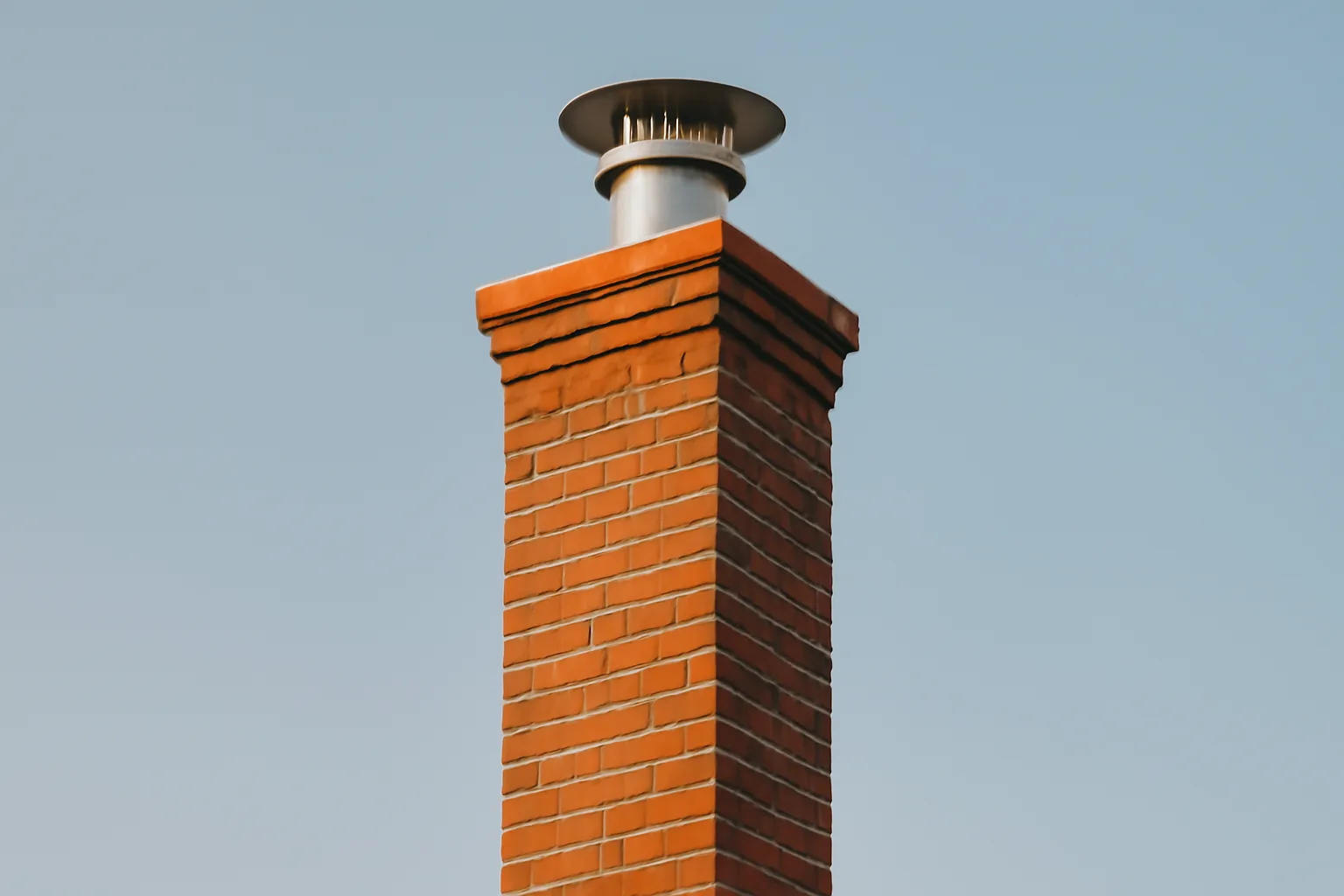
A Paterson flue that fails a camera inspection, with cracked tiles or open joints, needs relining, not just sweeping, to be safe again. We confirm the reline is actually needed, size it right, insulate it to code, and leave you with a flue that is safe to use again. Older Paterson masonry chimneys settle over the years, opening joints between clay tiles that a continuous stainless liner closes for good. Our install is UL-listed material, insulated to code, and documented with a final camera check you can review. Dial 551-351-9538 to reline your Passaic County chimney the right way.
- Camera-verified need
- UL-listed stainless liners
- Flexible and cast-in-place
- Insulated and code-compliant
- Appliance-sized for gas or wood
What Makes Dealing With It Now and Then Some
The liner is the inner wall of the flue that keeps a fire safely contained. We install stainless flexible or cast-in-place based on the chimney, insulated to code either way. If your existing liner is sound, we will tell you, because relining is a real expense we only recommend when the flue requires it. We would rather do it right than do it fast.
If a Paterson chimney has an enemy, it is the water the climate keeps driving into it. Every thaw lets water in and every freeze pries the masonry a little further apart. Year over year the small openings grow, and the repair that would have been minor turns structural. Catch the moisture path in time and you keep a maintenance bill from becoming a construction project.
The liner is what stands between the fire and the surrounding structure. A new liner is sized to the appliance, insulated to hold draft temperature, and verified to vent correctly. We size the liner correctly the first time, because an oversized or undersized liner causes its own problems. That is the standard we bring to every Paterson chimney.
How We Manage It On Site Without the Hassle
The liner is the part of the flue that actually makes it safe to burn. Stainless steel is the modern relining standard: a single continuous tube with no joints to open and no tiles to crack. We explain why the reline is needed in plain terms and show you the failure on screen. We document it so you can see the work was done properly.
Here is the path from your first call to a chimney you can use again. We listen to what the chimney is doing, set a time that works for you, and show up ready to handle it. We cover the hearth, complete the service, capture before-and-after photos, and explain the results plainly. That predictability is what takes the anxiety out of a chimney call.
The liner is what stands between the fire and the surrounding structure. Stainless steel is the modern relining standard: a single continuous tube with no joints to open and no tiles to crack. Relining is also what makes appliance conversions safe, since a gas insert or stove needs a correctly sized liner. We hold the work to that standard whether anyone is watching or not.
Decades Of Stacks Across The Region Plain and Simple in Passaic County
We are a Paterson crew first, and the local building stock is the building stock we know best. Soft old mortar, thin crowns, and original terra-cotta liners are exactly what we expect to find on these stacks. That experience turns a vague "something is leaking" into a precise diagnosis quickly. We match our repairs to how these chimneys were actually built.
The liner is the flue within the flue, the smooth inner channel that contains heat and routes gases out. We reline with a properly sized stainless liner and confirm the system vents safely before sign-off. The quote covers a correctly sized, code-compliant liner, with no hidden add-ons once the work starts. It is the difference an experienced crew actually makes.
What Is At Risk In A Safe Fireplace Start to Finish
Every chimney job we do ladders up to one thing: keeping the fire where it belongs. Carbon monoxide from a blocked flue is odorless and invisible, which is exactly what makes a clear, capped chimney matter. Staying ahead of it is less about perfectionism than about making sure the fire stays contained. Keeping the fire contained is the real job behind all the masonry talk.
Most Paterson homeowners only think about the chimney when something seems wrong, which makes them easy marks for the scare-tactic end of this trade. A vague verbal "you really should reline this" with nothing to back it is how this trade earned its skeptics. Paterson Chimney Cleaning hands you the camera footage and the written report, so nothing about your chimney stays our secret. The next call we want is the one you make next year, not the one we pressure out of you today.
A flue's safety comes down to its liner, the inner surface that contains the burn. Insulation is the step cheap relines skip, but it holds flue-gas temperature so the liner drafts and lasts. No upselling a cast-in-place liner when a flexible stainless does the job; the spec matches your chimney, not our margin. That is just how we run every Paterson service call.
Pulling your whole chimney project together
A chimney is a system, so chimney liner installation rarely stands alone — it connects to fireplace cleaning, pre-sale chimney inspection, flashing repair, flue cap, chimney crown repair, and our crew handles all of it under one roof. We bring the same service to and everywhere else across Passaic County.
If you searched for a chimney sweep near Paterson, Whatever your chimney needs, a crew that quotes in writing takes it from there, and you know the price before we start. Call 551-351-9538 any time, read Stop Guessing How Often to Sweep Your Paterson Chimney on our blog, or head back to our Paterson home page.